
Hello again! Still catching up, and there is so much to say about my time in Venice. Here goes!
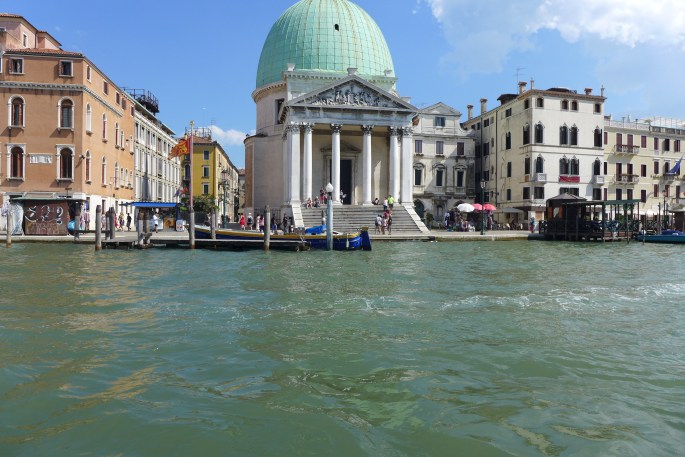
We took a speed train from Rome on Friday afternoon, and when we arrived and exited the station, the view was breathtaking (our professor even said her favorite moment of our trip so far was seeing the looks on all of our faces when we saw Venice for the first time).
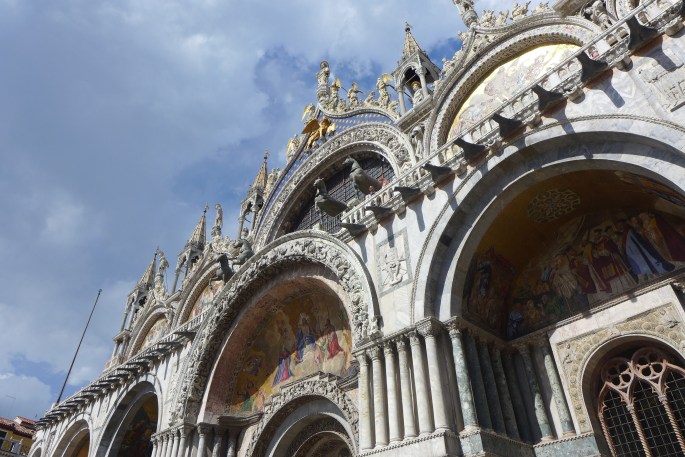
Our first stop was the famous St. Mark’s Cathedral. It was amazing just how different the church was from others in Rome. I could see clearly the influence Islamic architecture had on that of Venice – the flowery arabesques, the pointed arches, and the mosaics. Unfortunately, we weren’t allowed to take photos inside, or else I would have showered this post with them.
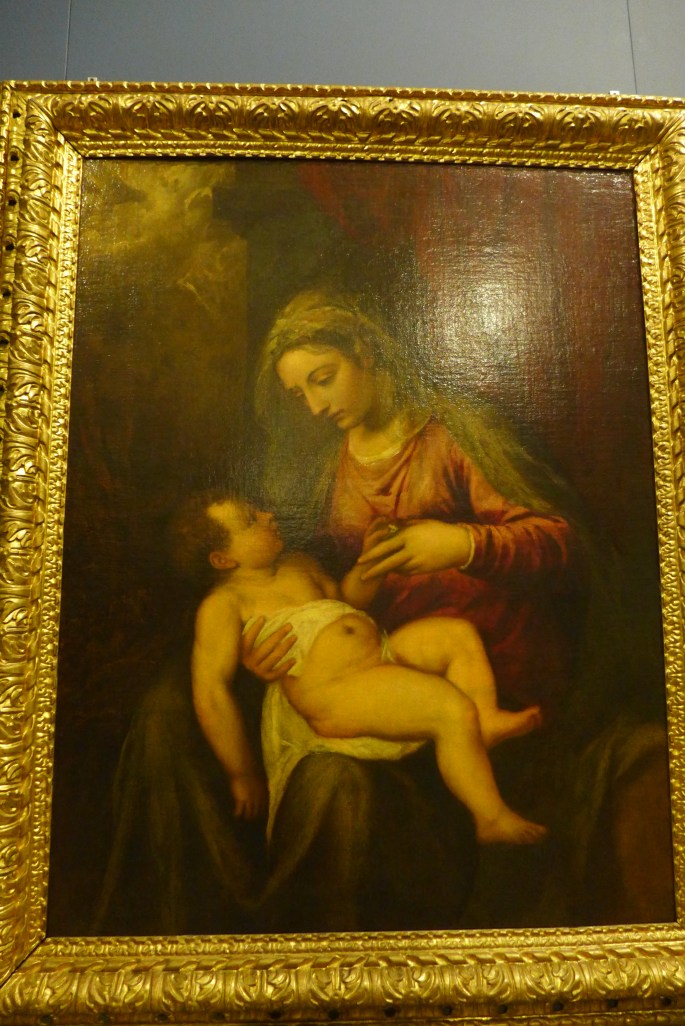
The next day, we went to the Accademia, where we spent three hours looking at paintings from Venice. Much of the art was Judeo-Christian, so my friend constantly turned to me, asking, “Who is that?” Quite unsurprisingly, there were things I didn’t know, and so I learned alongside her. As a result, we didn’t even get through one floor before we had to leave, though I did not regret it one bit.
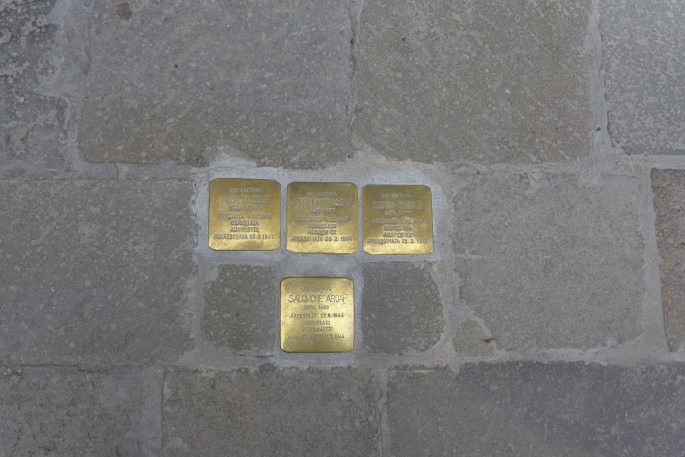
In the afternoon, we moved on to the Jewish Ghetto – the first one ever! Thanks to our tour guide, I learned a lot about the Jewish community in Venice, which had existed there since the 1500s. I was most surprised to discover that a relatively small portion of Venetian Jews were deported during World War II, due to political attitudes in Italy, and the courage of a few willing to defend them. Nevertheless, the small number that was deported was still too much. This visit gave me the opportunity to really reflect within myself on the situations both in the past and today, as well as how we treat “outsiders”, or those who are different from us. I highly encourage anyone who visits Venice to take the time in the Ghetto Nuovo. It is revealing of our past, our communities, and the common human spirit.
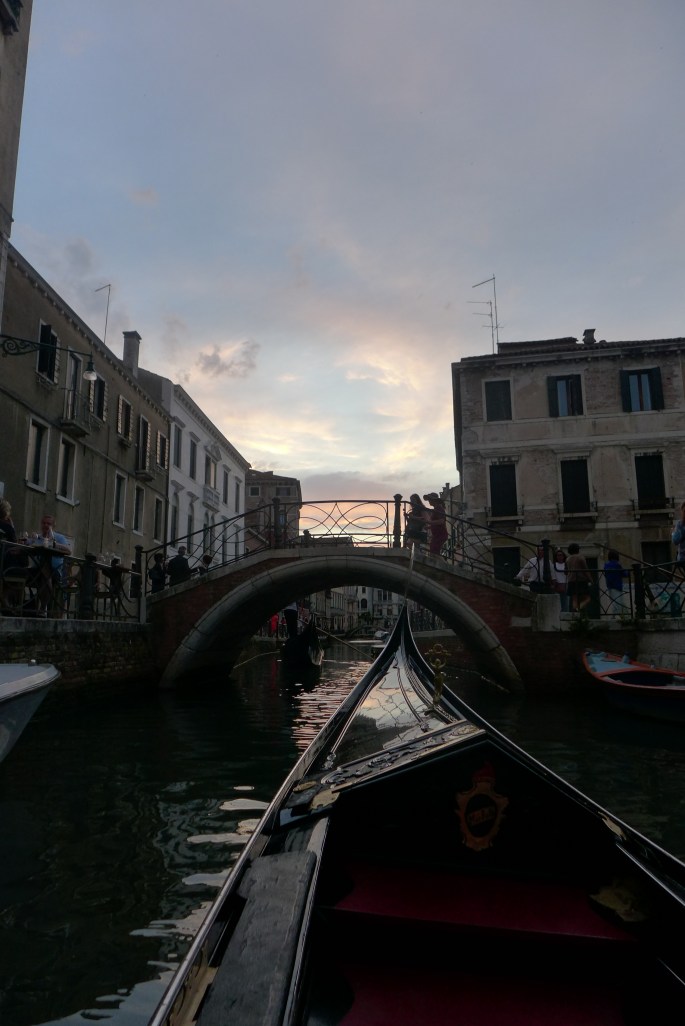
Later that night, my friends and I strolled around, and eventually landed on a place to hop onto a gondola, and let me just say, it was well worth the price. Not only were the views amazing, but our gondolier was also very friendly and open with us. He shared the tradition of gondoliers, in which the father passes it onto his son, teaching him the trade. Our gondolier was himself in the 7th generation in his family, and his boat was his father’s. We were fortunate to learn about this almost sacred tradition for Venetians, and how it holds a special place in the hearts of the gondoliers themselves.
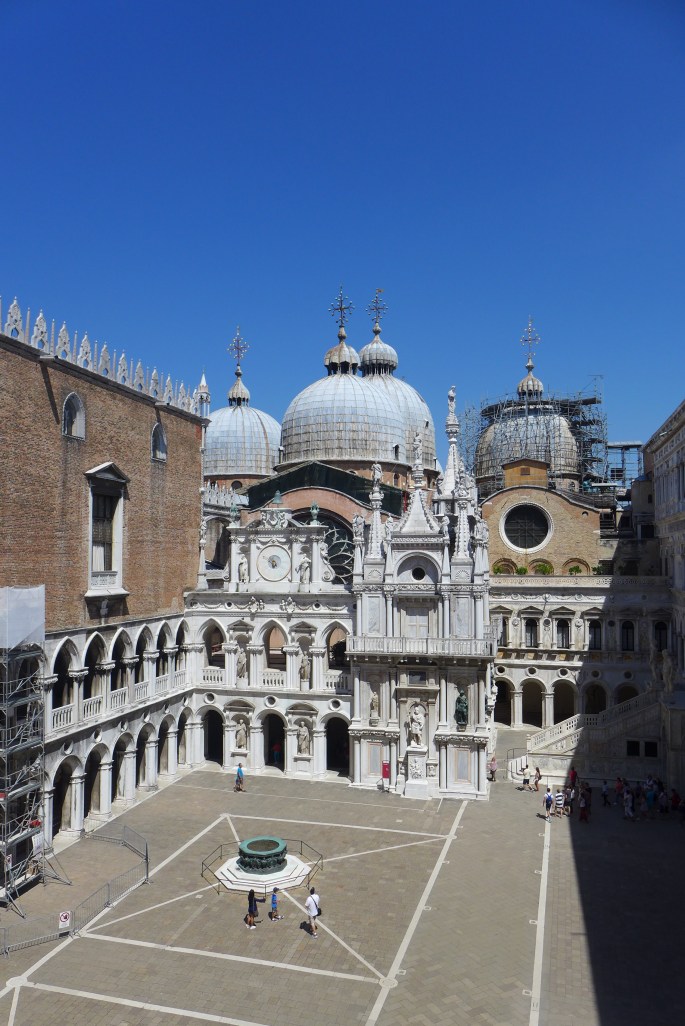
Our final destination in Venice was the Doge’s palace, where the (semi-) elected ruler would live and conduct foreign business. The whole palace, especially the places which were exposed to foreign dignitaries, was meant to “show off” Venice’s abundant wealth, and this was immediately clear. The sheer volume of art on the ceilings and walls was, well, a lot. It was, however, very indicative of what Venice is about: a mixture of times, places, and people. The fact that one Venetian painting depicts St. Mark preaching in Alexandria, with St. Mark’s Cathedral in the background and Venetians listening in only proves my point.
Venice, so far, has been the highlight of my trip. It was so nice to change our rhythm from busy Roman life. The atmosphere is laid back, and everything – everything – is beautiful, from the buildings, to the art, and to the winding canals. All I can say at this point is: I can’t wait to go back!
![IMG_3735[2590]](https://grisaffi.blog/wp-content/uploads/2017/07/img_37352590.jpg?w=685)
 Grisaffi Family Adventures